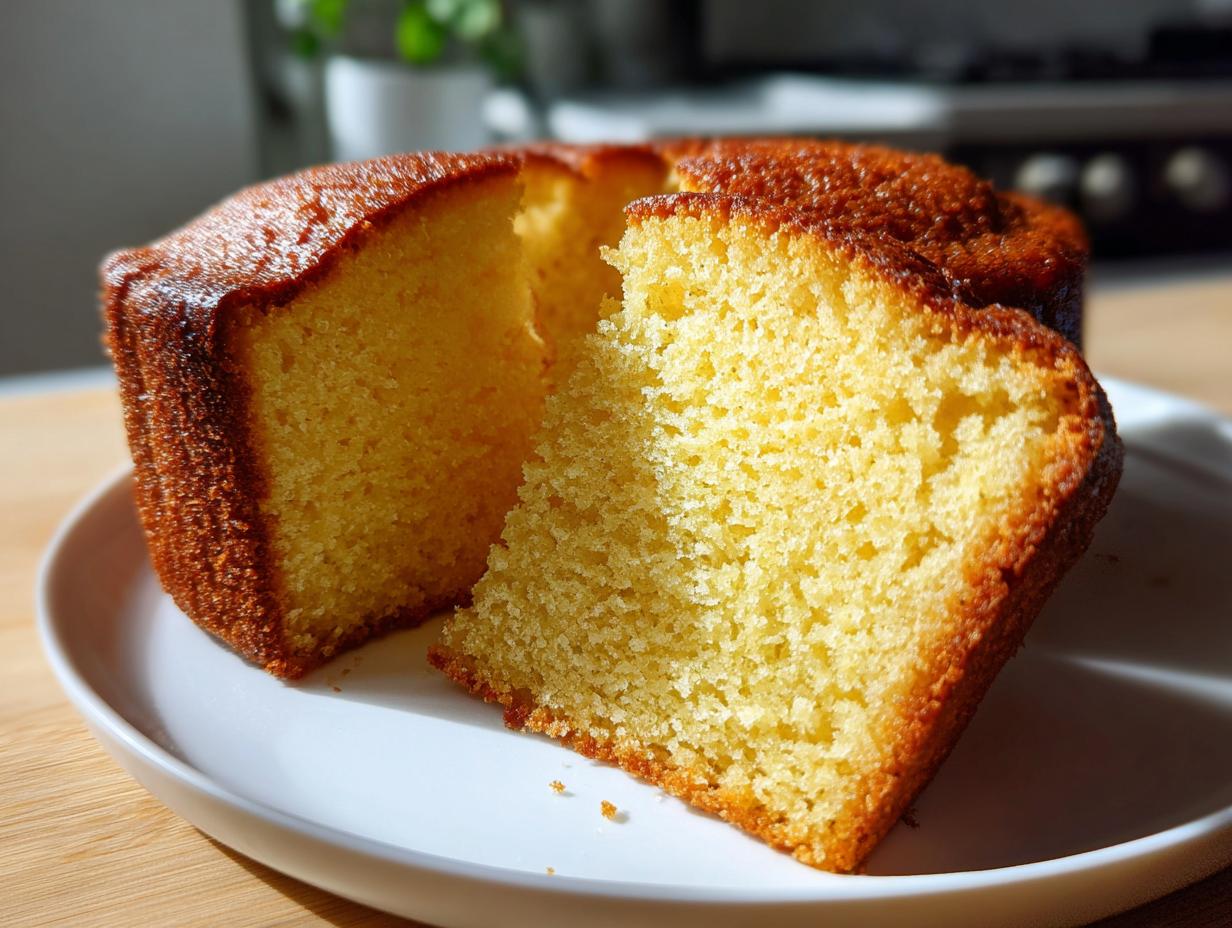
There’s something magical about a classic vanilla cake, isn’t there? It’s the kind of recipe that feels like home—simple, comforting, and always a crowd-pleaser. Whether it’s for a birthday, a last-minute celebration, or just because you deserve something sweet, this vanilla cake recipe has been my go-to for years. I remember the first time I made it for my niece’s birthday party—the way the kitchen smelled like pure happiness, and how everyone kept asking for seconds. That’s the beauty of great cake recipes: they’re not just desserts, they’re memory-makers. And trust me, this one’s a keeper.
Why You’ll Love This Classic Vanilla Cake Recipe
Oh, where do I even start? This vanilla cake recipe is my absolute favorite for so many reasons. First off, it’s ridiculously easy—no fancy techniques or hard-to-find ingredients here. Just simple, honest baking that turns out perfect every time. The flavor? Pure vanilla heaven—that perfect balance of sweet and fragrant that makes you close your eyes and savor every bite. And the best part? It’s incredibly versatile. Dress it up with frosting for birthdays, keep it simple with powdered sugar for tea time, or use it as the base for endless cake recipes. Trust me, once you try it, you’ll understand why it’s been my secret weapon for years!
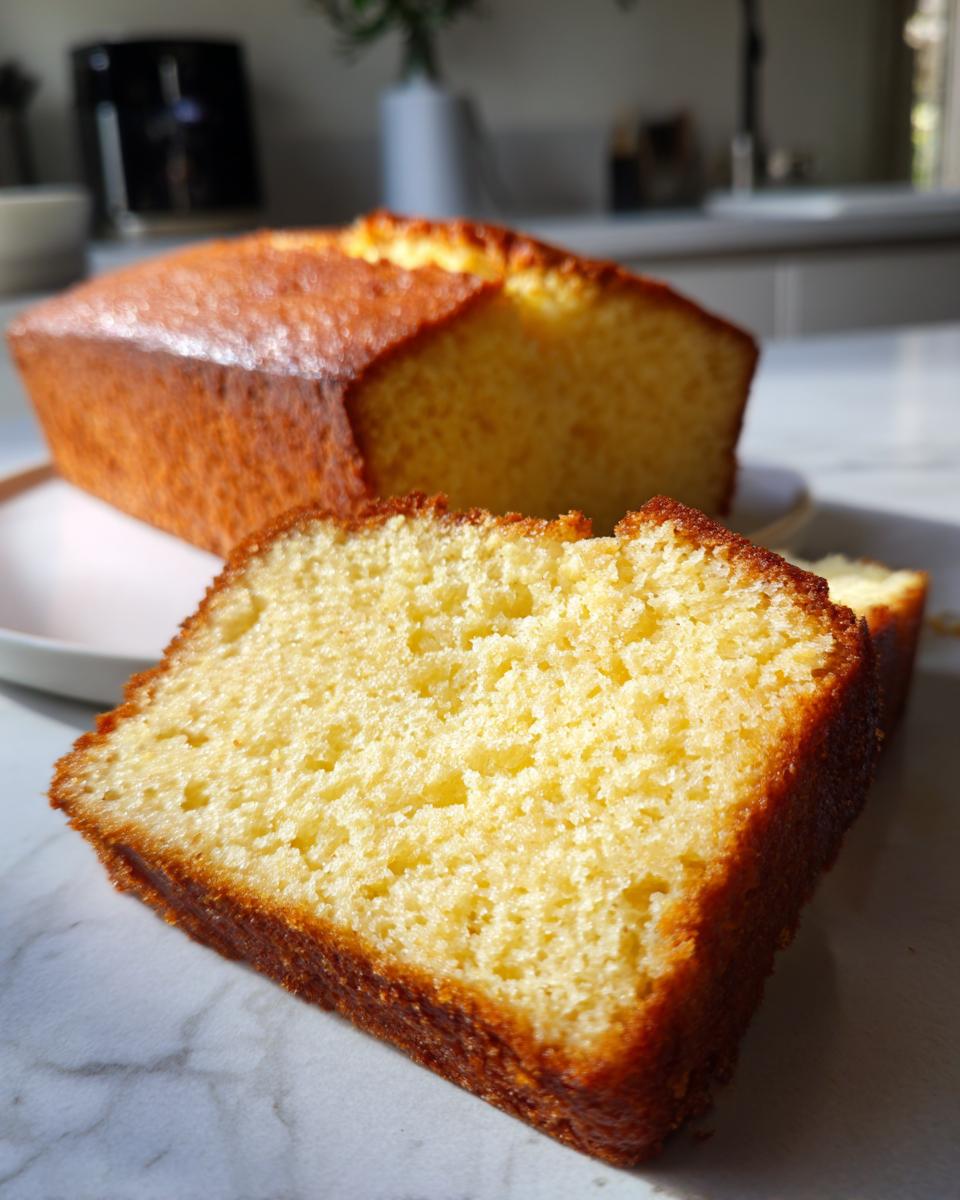
Ingredients for the Best Vanilla Cake Recipe
Okay, let’s gather our ingredients—this is where the magic starts! For my perfect vanilla cake, you’ll need:
- 2 cups all-purpose flour – spooned and leveled, please! No packing it down.
- 1 cup granulated sugar – the sweet foundation of our cake.
- 1 tablespoon baking powder – yes, a full tablespoon! This gives us that beautiful rise.
- ½ teaspoon salt – just enough to balance the sweetness.
- ½ cup unsalted butter, softened – leave it out for an hour before baking. It should dent when you press it.
- 2 large eggs – room temperature is key here.
- 1 cup milk – whole milk makes it extra rich, but any kind works.
- 2 teaspoons vanilla extract – splurge on the good stuff if you can!
Ingredient Notes and Substitutions
Now, let’s talk substitutions because I know sometimes you’ve got to work with what’s in the pantry! If you’re out of milk, buttermilk makes an amazing substitute—it adds a lovely tang and makes the cake extra tender. You can even use half milk, half yogurt in a pinch. No unsalted butter? Regular salted butter works too—just reduce the added salt to ¼ teaspoon. And if you’re feeling fancy, try vanilla bean paste instead of extract—those little black specks make it look so professional! The key is to keep the ratios the same, and you’ll still end up with a fantastic cake.
Step-by-Step Vanilla Cake Recipe Instructions
Alright, let’s get baking! I’ve made this vanilla cake more times than I can count, and I’ve learned a few tricks along the way. Follow these steps, and you’ll have a perfect cake in no time—I promise!
1. Preheat and Prep: First things first—turn that oven to 350°F (175°C). While it’s heating up, grab your 9-inch round cake pan. I like to butter it generously, then dust it with flour, tapping out the excess. Trust me, this step is worth it—nothing worse than a cake that sticks!
2. Mix the Dry Ingredients: In your mixing bowl, whisk together the flour, sugar, baking powder, and salt. Don’t just dump and stir—take a moment to really combine them. You want everything evenly distributed so your cake bakes perfectly.
3. Add the Butter: Now for the fun part! Add your softened butter to the dry ingredients. Use an electric mixer on low at first, then medium, until the mixture looks like coarse sand. This step is crucial—it creates those tiny air pockets that make your cake light and fluffy.
4. Incorporate the Wet Ingredients: Crack in the eggs one at a time, mixing well after each. Then pour in the milk and vanilla all at once. Mix just until smooth—overmixing makes tough cakes! The batter should be thick but pourable.
5. Bake to Perfection: Pour the batter into your prepared pan and smooth the top. Pop it in the oven for about 30 minutes. You’ll know it’s done when the edges pull away slightly from the pan and a toothpick comes out clean—no wet batter, just maybe a crumb or two.
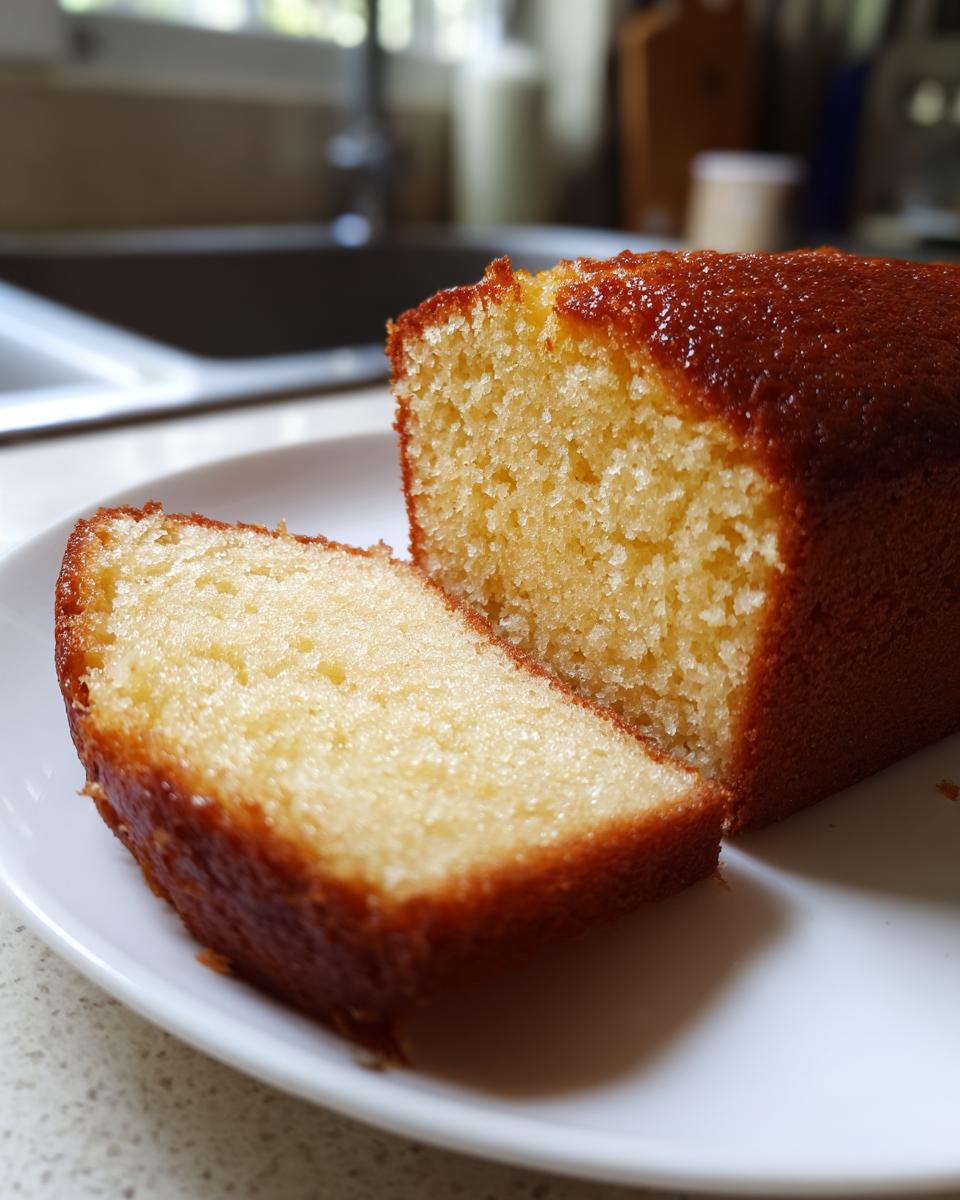
6. Cool Like a Pro: Here’s where patience comes in! Let the cake cool in the pan for 10 minutes—this helps it set. Then run a knife around the edge and flip it onto a wire rack to cool completely. I know it’s tempting, but don’t frost it while warm—you’ll end up with a melty mess!
Tips for the Perfect Vanilla Cake Recipe
Oh honey, let me share all my hard-earned secrets for the absolute best vanilla cake! First rule – room temperature ingredients are non-negotiable. Cold eggs and butter just don’t incorporate properly, and you’ll end up with a dense cake. I leave mine out for at least an hour before baking – the butter should dent when you press it, but not be greasy.
Now about mixing – don’t overdo it! Once you add the flour, mix just until combined. I know it’s tempting to keep going, but overmixing develops gluten and makes tough cakes. A few small lumps are totally fine – they’ll work themselves out in the oven.
Here’s my favorite trick: rotate your pan halfway through baking. Ovens have hot spots, and turning the cake ensures even browning. And please, please resist opening the oven door too early – that sudden temperature drop can make your beautiful cake fall!
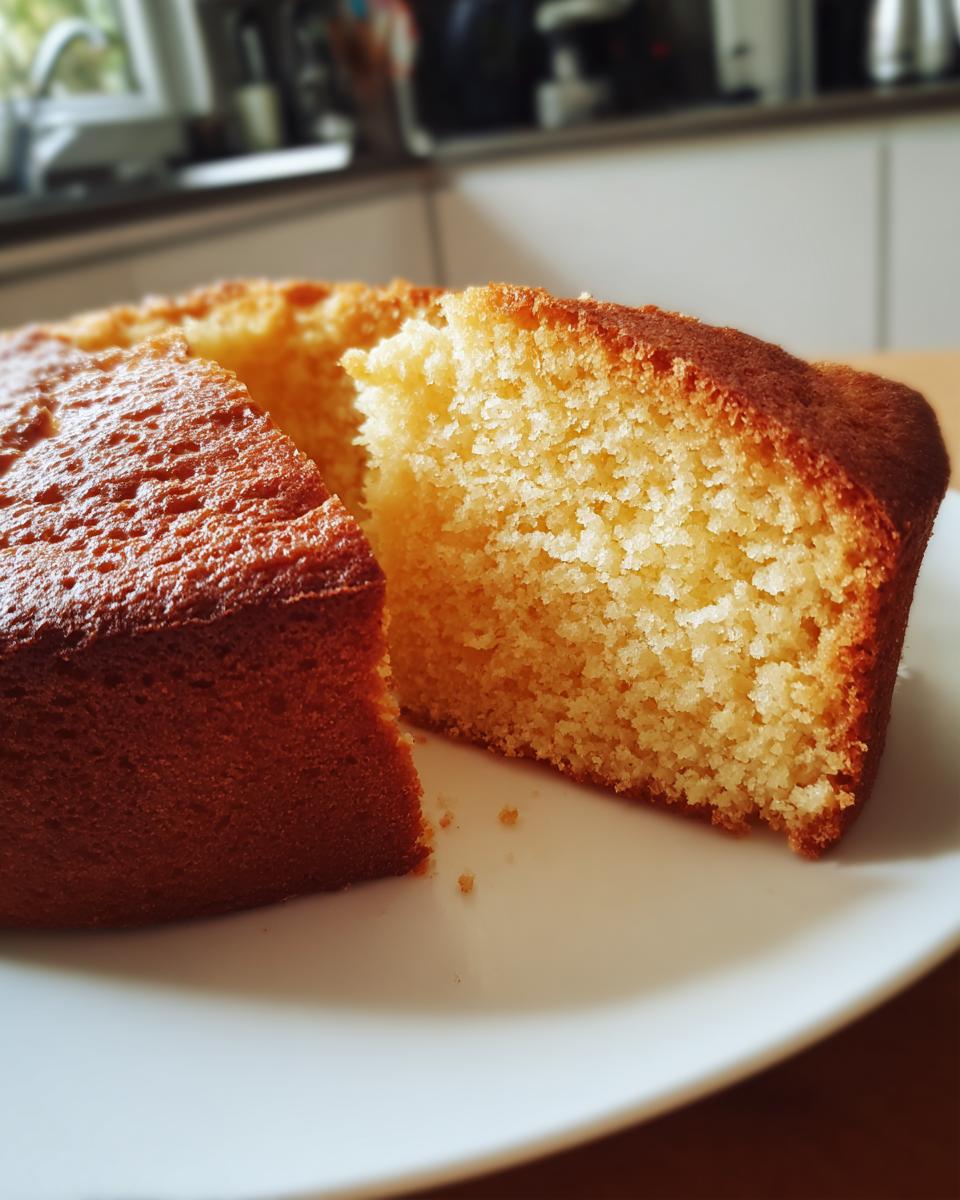
When testing doneness, look for the edges pulling away from the pan and a light golden color. The toothpick test works, but I also gently press the center – it should spring back when done. Let it cool completely before frosting, no matter how impatient you are. Trust me, warm cake + frosting = soggy mess!
These little details make all the difference between good cake recipes and great ones. Once you get the hang of it, this vanilla cake will become your signature dessert – just like it’s become mine!
Serving and Storing Your Vanilla Cake
Now comes the best part—eating your masterpiece! This vanilla cake is delicious plain, but oh, the possibilities! My favorite way is a simple dusting of powdered sugar with fresh berries on the side—so elegant yet effortless. For birthdays, I slather on cream cheese frosting (my weakness!) or go classic with vanilla buttercream. Want something special? Try layering it with lemon curd or topping with whipped cream and seasonal fruit.
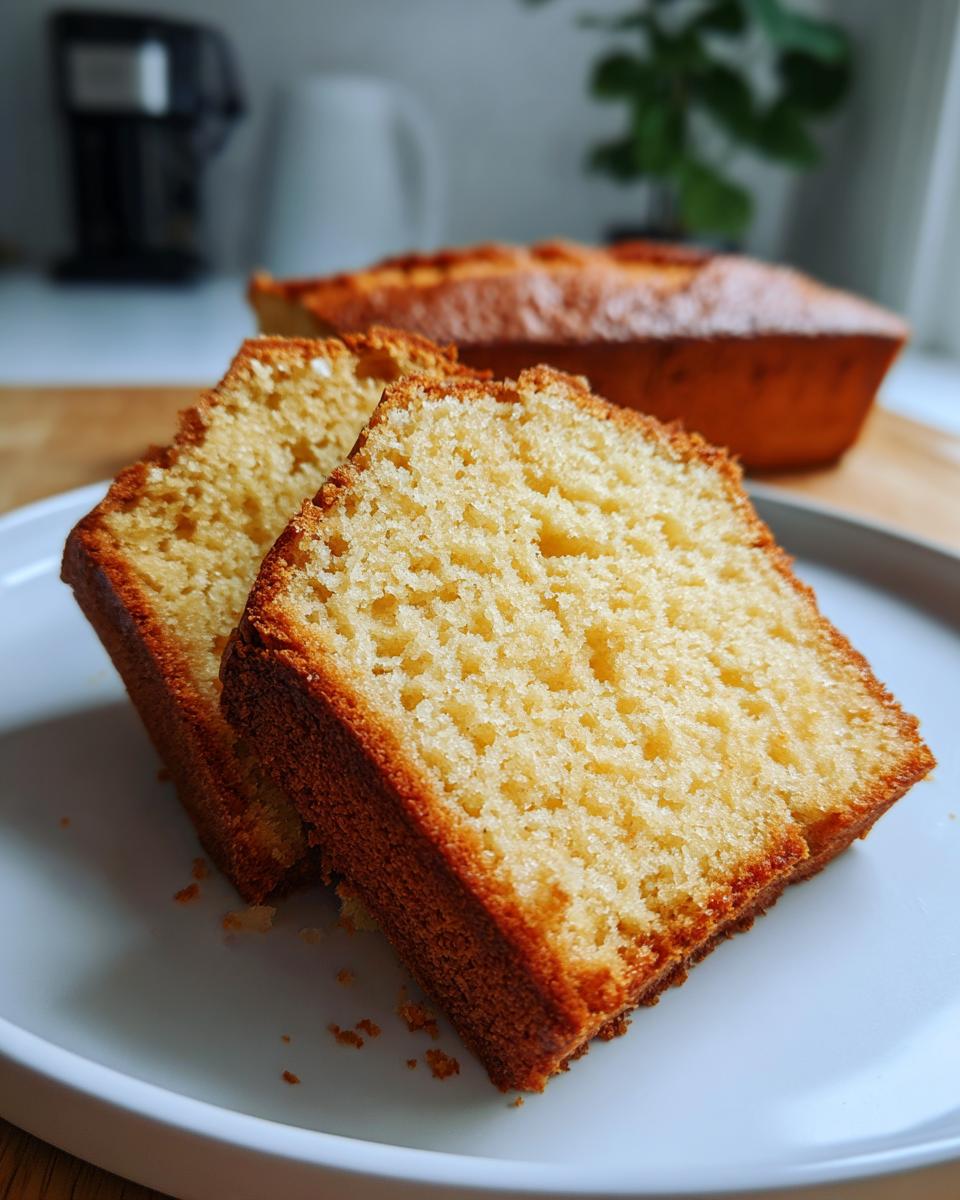
Storing is easy—just pop it in an airtight container at room temperature for up to 3 days. If it’s frosted, I keep it in the fridge, but let it come to room temp before serving—cold cake just isn’t the same! You can also freeze slices wrapped in plastic for up to a month—perfect for when that sweet tooth strikes unexpectedly!
Nutritional Information for Vanilla Cake
Now, let’s talk numbers—but remember, these are just estimates! Depending on your exact ingredients and brands, your cake might be slightly different. Here’s the breakdown per slice (based on 8 servings): about 320 calories, 14g fat (8g saturated), 45g carbs, and 5g protein. It’s got a bit of calcium and iron too—see? Cake can be educational! But honestly, when it tastes this good, who’s counting?
Frequently Asked Questions About Cake Recipes
Can I use cake flour instead of all-purpose flour?
Absolutely! Cake flour gives you a lighter, more tender crumb—it’s my secret weapon when I want that bakery-style texture. Just swap it 1:1 for the all-purpose flour in this vanilla cake recipe. The lower protein content makes all the difference. If you’re in a pinch, you can even make your own cake flour: for every cup of all-purpose flour, remove 2 tablespoons and replace with 2 tablespoons of cornstarch. Sift it together well—you’ll be amazed at the results!
Why did my cake sink in the middle?
Oh no! Been there, done that. Usually, it’s one of three things: your oven temperature was off (get an oven thermometer—they’re lifesavers!), you opened the door too early (wait at least 20 minutes!), or your baking powder was old. Test your baking powder by mixing a teaspoon with hot water—if it doesn’t bubble vigorously, toss it. Also, make sure you’re not overmixing the batter after adding the flour—gentle does it!
Can I make this vanilla cake recipe into cupcakes?
You bet! This batter makes about 18 perfect cupcakes. Just fill the liners 2/3 full and bake at 350°F for 18-20 minutes. They’re done when they spring back when lightly touched. Pro tip: use an ice cream scoop to portion the batter—it’s so much cleaner! These make the best birthday cupcakes, especially with a swirl of buttercream on top.
How do I know when my cake is done baking?
Here’s my foolproof method: first, look for the edges pulling away from the pan. Then gently press the center—it should spring back. Finally, the toothpick test—a few moist crumbs are fine, but no wet batter. If you’re really unsure, an instant-read thermometer should read about 210°F in the center. Remember, it keeps cooking a bit as it cools, so don’t overbake!
Can I freeze this vanilla cake?
Yes, and I do it all the time! Wrap cooled, unfrosted cake layers tightly in plastic wrap, then foil. They’ll keep beautifully for up to 3 months. Thaw at room temperature before frosting. You can even freeze frosted cakes—just pop the whole thing in the freezer for an hour to set the frosting first. Perfect for when you need to prep ahead for parties!
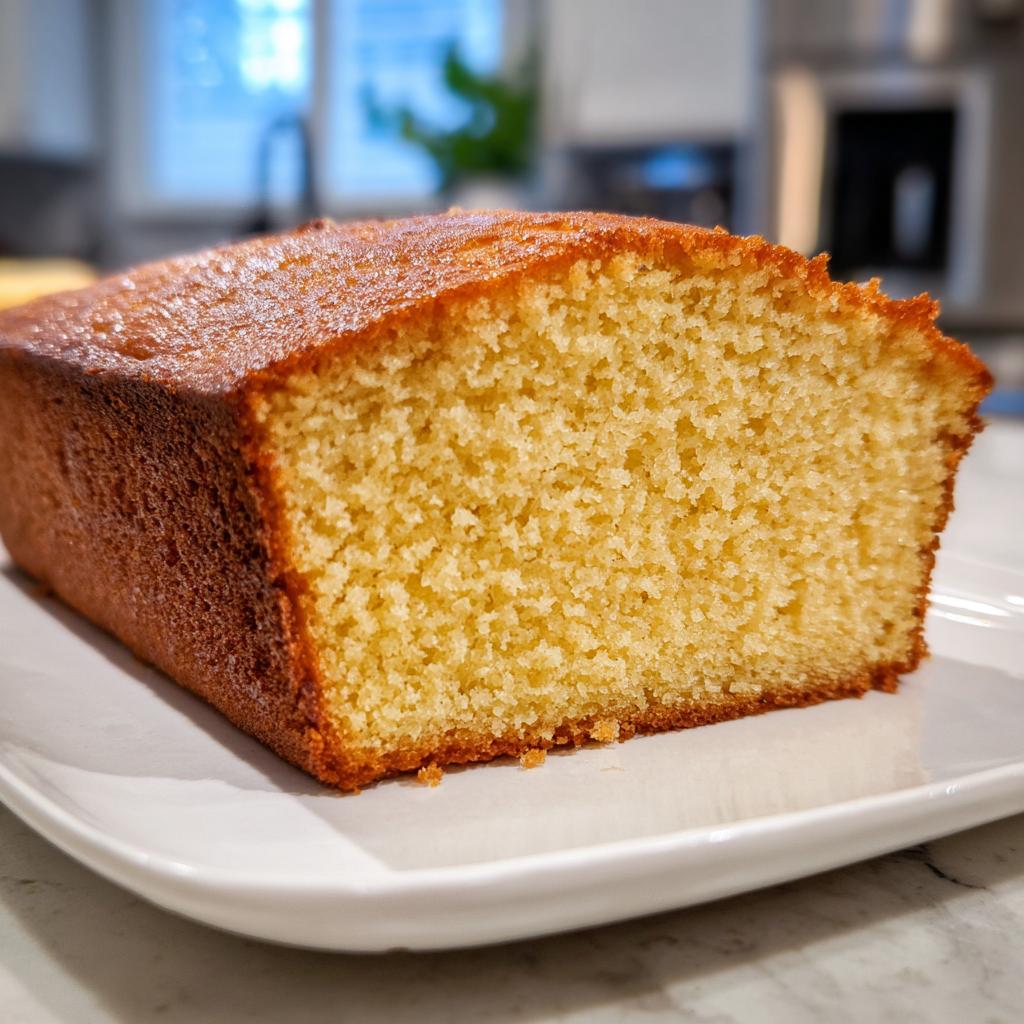
Classic Vanilla Cake
Ingrédients
Equipment
Method
- Preheat your oven to 350°F (175°C). Grease and flour a 9-inch round cake pan.
- In a mixing bowl, combine the flour, sugar, baking powder, and salt.
- Add the softened butter and mix until the mixture resembles coarse crumbs.
- Beat in the eggs one at a time, then stir in the milk and vanilla extract until smooth.
- Pour the batter into the prepared cake pan and bake for 30 minutes, or until a toothpick inserted into the center comes out clean.
- Allow the cake to cool in the pan for 10 minutes before transferring to a wire rack to cool completely.