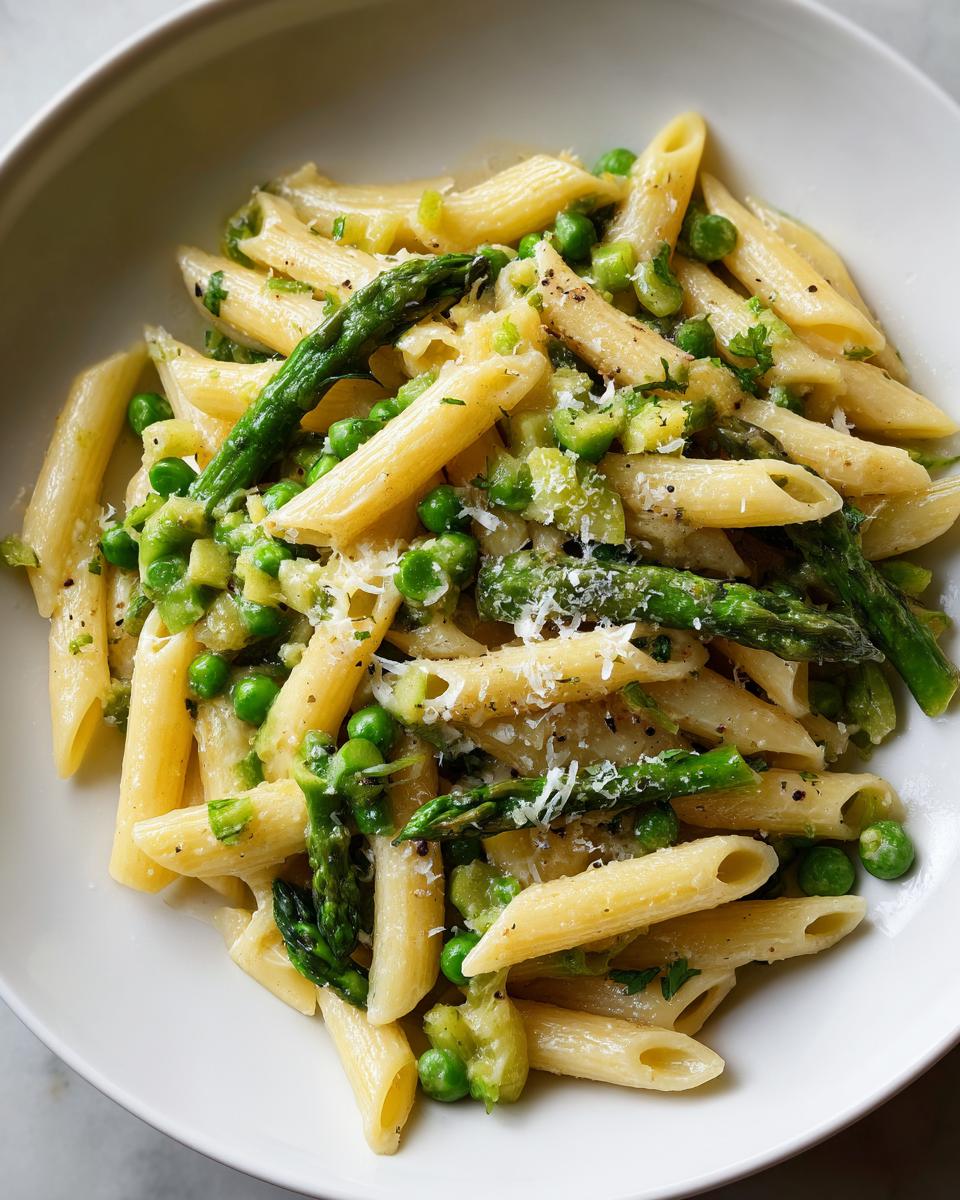
There’s something magical about the first crisp asparagus spears and sweet peas of spring that makes me want to dance around my kitchen. This Spring Vegetable Pasta is my love letter to the season – a bright, lively dish that captures all that fresh energy in one bowl. I started making this recipe years ago when my neighbor gifted me a basket overflowing with just-picked veggies from her garden. Now it’s my go-to when the days get longer and my appetite craves something light yet satisfying. The best part? It comes together in about the time it takes to boil pasta water, making it perfect for those evenings when you want dinner to feel special without any fuss.
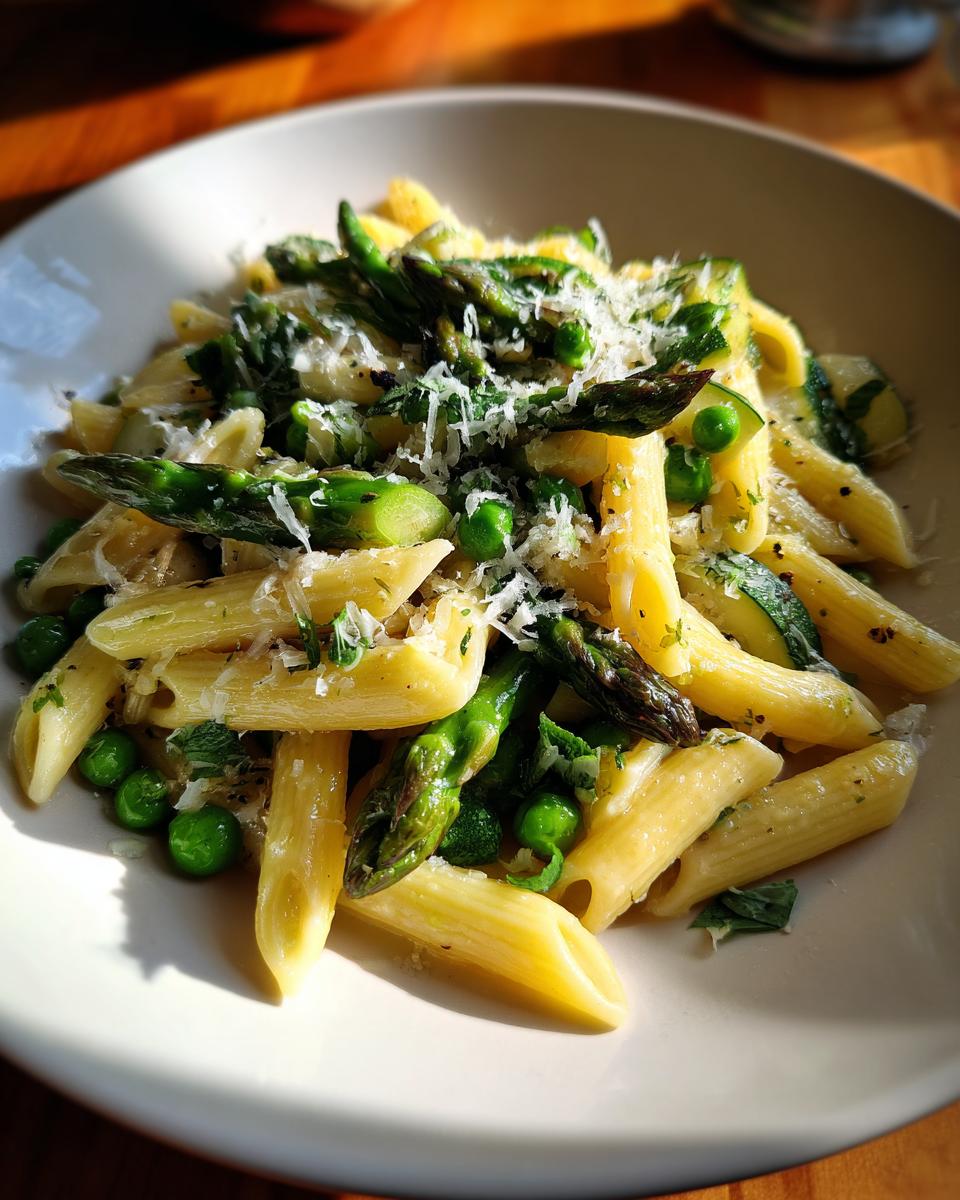
Why You’ll Love This Spring Dinner Recipe
Oh, where do I even start with why this pasta is my springtime obsession? First off, it’s one of those rare recipes that manages to be both ridiculously easy and impressively delicious. Here’s why you’ll be making it on repeat:
- 30 minutes flat – From chopping board to dinner table before you can say « spring has sprung! »
- Easy-peasy prep – No fancy techniques, just simple sautéing and tossing. Perfect for when you’re tired but still want something special.
- Fresh seasonal flavors – That first bite of crisp asparagus and sweet peas? Pure springtime joy in every forkful.
- Light yet satisfying – It won’t weigh you down like winter comfort food, but still leaves you happily full.
- Endlessly versatile – Got extra veggies? Toss ’em in! Feeling fancy? Add shrimp or chicken. It’s like a blank canvas for your spring cravings.
Trust me, once you try this recipe, you’ll understand why it’s my go-to when the weather warms up and my kitchen fills with golden afternoon light.
Ingredients for Spring Vegetable Pasta
Gathering the right ingredients is half the fun of making this spring pasta – it’s like a little treasure hunt for the freshest seasonal goodies! I’ve broken everything down into two simple groups so you can see exactly what you need. Pro tip: hit the farmer’s market if you can – those just-picked veggies make all the difference.
For the Pasta
- 12 oz pasta – I’m partial to penne or fusilli because those little grooves catch all the delicious flavors, but use whatever shape makes you happy
- 1 tbsp olive oil – The good stuff! This is where you want that fruity, high-quality oil to shine
For the Vegetables
- 1 cup asparagus – Trimmed and cut into 1-inch pieces (snap those tough ends off – they’ll tell you where to break!)
- 1 cup peas – Fresh if you’re fancy, frozen if you’re smart (no shame in my frozen pea game!)
- 1 zucchini – Sliced into half-moons about 1/4-inch thick
- 2 cloves garlic – Minced (or more if you’re garlic-obsessed like me)
- 1/4 tsp red pepper flakes – Just enough to give it a little kick without overpowering those delicate spring flavors
- 1/4 cup parmesan cheese – Freshly grated, please – that pre-shredded stuff just isn’t the same
- 1 tbsp lemon juice – About half a lemon’s worth, but taste as you go
- Salt and pepper – To taste (I’m heavy-handed with the pepper, but you do you)
See? Nothing too crazy or hard to find. The magic happens when these simple ingredients come together in just the right way. Now let’s get cooking!
How to Make This Spring Dinner Recipe
Alright, let’s get cooking! This spring vegetable pasta comes together so easily you’ll wonder why you don’t make it every night. I’ve broken it down into three simple steps that even my pasta-challenged cousin could follow. The key is timing – don’t overcook those beautiful veggies! Here’s exactly how I make it:
Step 1: Cook the Pasta
First things first – get that pasta water boiling! Fill your largest pot with water (I like to go about 3/4 full) and salt it generously – it should taste like the sea. Trust me, this is your one chance to season the pasta itself. Once it’s at a rolling boil, add your pasta and set a timer for 1 minute less than the package says. We want it al dente – still with a little bite to it. When it’s done, drain it in a colander but please, oh please, save about a cup of that starchy pasta water first! We’ll use it later to make everything silky smooth.
Step 2: Sauté the Vegetables
While the pasta cooks, let’s work on those gorgeous spring veggies. Heat your olive oil in a large skillet over medium heat – you’ll know it’s ready when a tiny piece of garlic sizzles immediately. Add the garlic and red pepper flakes first, stirring constantly for just about 30 seconds until you smell that amazing aroma. Don’t let the garlic brown! Then toss in your asparagus, peas, and zucchini. Cook them for 5-6 minutes, stirring occasionally, until they’re just tender but still bright and crisp. The asparagus should still have some snap to it – we’re not making baby food here!
Step 3: Combine and Season
Now for the magic! Add your drained pasta right into the skillet with the veggies. Give everything a good toss to combine. Here’s where that reserved pasta water comes in – splash in about 1/4 cup to help create a light sauce that coats everything beautifully. Then stir in the lemon juice and parmesan cheese – the cheese will melt into the warm pasta and create the most delicious creamy coating. Taste it (my favorite part!) and season with salt and pepper until it’s just right for you. Sometimes I add an extra squeeze of lemon if it needs more brightness.
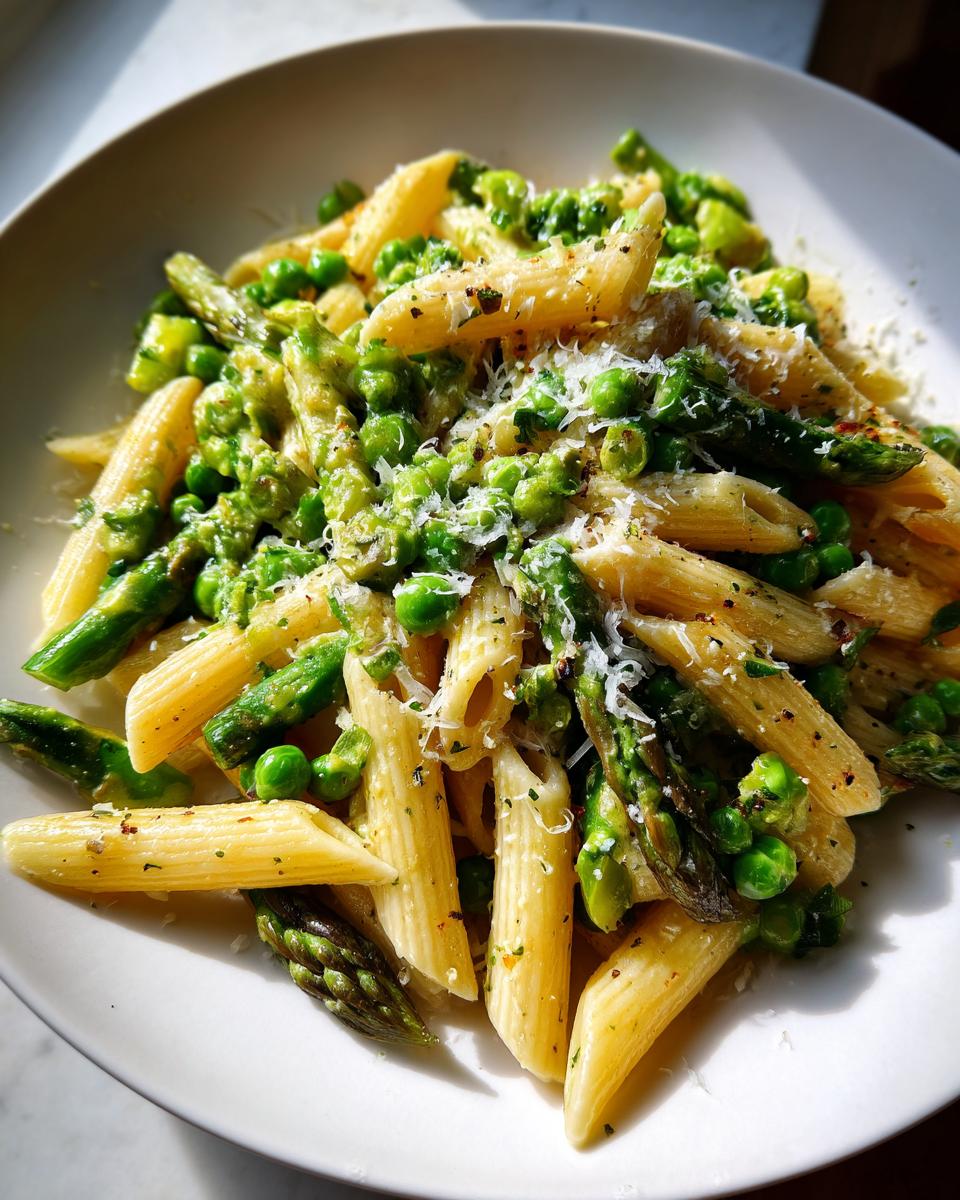
And that’s it! You’ve just made the perfect spring dinner in about the time it takes to watch an episode of your favorite sitcom. Now grab a fork and dig in while it’s piping hot – those first bites are always the best!
Tips for the Best Spring Vegetable Pasta
After making this spring pasta more times than I can count (okay, maybe I have a slight obsession), I’ve picked up some tricks that take it from good to « oh-my-goodness-can-I-have-seconds » amazing. Here are my not-so-secret secrets:
- Veggie freshness is key – When asparagus snaps cleanly and peas pop with sweetness, you know you’ve got the good stuff. Your taste buds will thank you!
- Spice it your way – Love heat? Double those red pepper flakes. Mild more your style? Skip ’em entirely. This recipe is your playground.
- Herb it up – A handful of torn basil or parsley at the end makes everything brighter. I sometimes add mint when I’m feeling fancy!
- Swap with the season – No peas? Try halved cherry tomatoes. Zucchini not looking great? Baby spinach works wonders. The pasta police won’t come knocking, I promise.
- Pasta water is liquid gold – That starchy water you saved? Add it a tablespoon at a time until your sauce clings perfectly to every noodle.
Remember – recipes are guidelines, not rules. Make it yours and enjoy every spring-filled bite!
Serving Suggestions for Your Spring Dinner
Oh, serving this pasta is where the fun really begins! I love piling it high in my favorite big pasta bowl (the one with the little chips around the edge from years of use) and letting everyone dig in family-style. Here’s how I make it a complete spring feast:
- A crisp salad – Toss some mixed greens with lemon vinaigrette for the perfect fresh contrast to the rich pasta
- Garlic bread – Because let’s be real, carbs love company! I toast up some crusty bread rubbed with garlic and olive oil
- White wine – A chilled Pinot Grigio or Sauvignon Blanc makes everything feel fancier without trying too hard
And don’t forget the finishing touches! I always put out extra parmesan (because there’s no such thing as too much cheese) and maybe some red pepper flakes for those who like it spicy. Sometimes I’ll even add a bowl of lemon wedges – that extra squeeze right before eating makes all the flavors pop!
Storage and Reheating Instructions
Now, I know this pasta is so delicious you’ll probably want to eat it all in one sitting (trust me, I’ve been there!), but if you somehow end up with leftovers, here’s how to keep them tasting fresh. Pop them in an airtight container – I’m partial to my glass ones with the snap lids – and they’ll keep in the fridge for up to 3 days. When you’re ready for round two, reheat it gently in a skillet with a splash of water or broth to bring back that perfect saucy texture. The microwave works in a pinch too, but stir it every 30 seconds so it heats evenly. Pro tip: add a little extra lemon juice and parmesan after reheating to wake up all those spring flavors again!
Nutritional Information
Just a quick note about the nutrition stuff – these numbers are rough estimates since your exact ingredients might differ from mine. That gorgeous parmesan you splurged on? Probably different calories than my grocery store brand. Fresh farmer’s market veggies? More nutrients than my sad winter freezer stash. So take these as friendly guidelines, not gospel truth. The important thing is you’re eating your veggies and enjoying every delicious bite!
Frequently Asked Questions
I get asked about this spring pasta all the time – here are the questions that pop up most often in my kitchen and inbox. Don’t see your question here? Just holler at me in the comments!
Can I use frozen vegetables instead of fresh?
Absolutely! Frozen peas are my year-round secret weapon, and frozen asparagus works in a pinch too. Just toss them straight from the freezer into the skillet – no need to thaw. They might take an extra minute to cook, but they’ll still taste delicious. Fresh is lovely when in season, but frozen means you can make this pasta any time the craving hits!
How can I make this recipe vegan?
Easy peasy! Skip the parmesan or use your favorite vegan alternative (nutritional yeast works great here). The real flavor comes from those fresh veggies and garlic anyway. Just make sure your pasta is egg-free – most dried pastas are, but always check the label if you’re being strict about it.
Can I add protein to this pasta?
Oh yes, please do! I love tossing in some sautéed shrimp, grilled chicken, or even white beans when I want something heartier. Cook your protein separately first, then add it when you combine everything at the end. Leftover rotisserie chicken works wonders here too – just shred it up and toss it in!
What other vegetables can I use?
This recipe is so flexible! Try swapping in whatever looks good at the market – baby spinach, cherry tomatoes, or even thinly sliced fennel would be delicious. Just keep an eye on cooking times since some veggies (like spinach) need way less time than others. The key is keeping everything bright and crisp – we’re celebrating spring, not making mush!
Can I make this ahead of time?
You can prep the veggies ahead, but I’d recommend cooking everything fresh if possible. The magic is in that just-cooked texture! If you must make it ahead, undercook the pasta slightly and store it separately from the veggies. When ready to serve, toss everything together with a splash of warm water to bring it back to life.
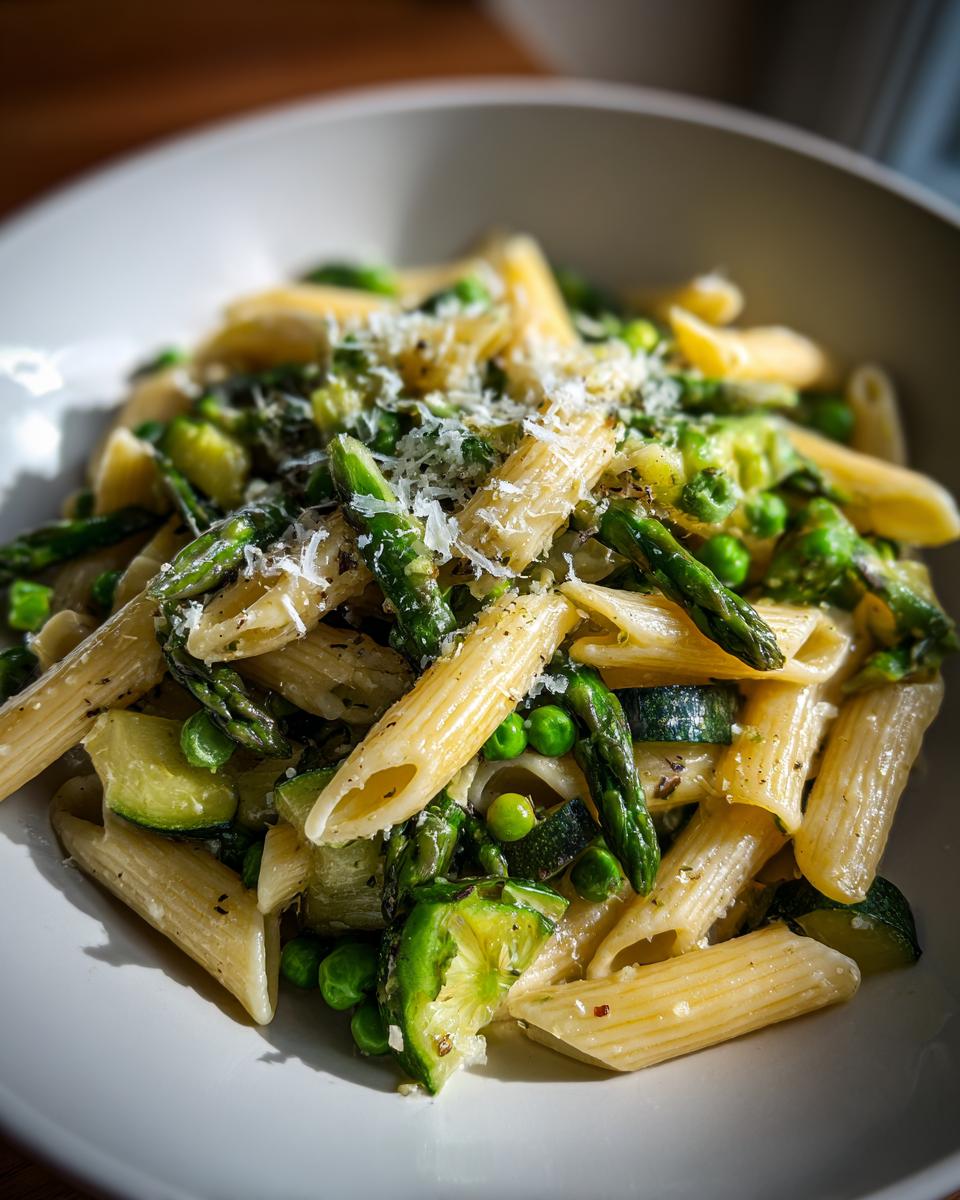
Spring Vegetable Pasta
Ingrédients
Equipment
Method
- Bring a large pot of salted water to a boil. Cook the pasta according to package instructions until al dente. Drain and set aside.
- Heat olive oil in a large skillet over medium heat. Add garlic and red pepper flakes, sauté for 30 seconds until fragrant.
- Add asparagus, peas, and zucchini to the skillet. Cook for 5-6 minutes, stirring occasionally, until vegetables are tender.
- Add the cooked pasta to the skillet. Toss to combine with the vegetables.
- Stir in lemon juice and parmesan cheese. Season with salt and pepper to taste.
- Serve warm with extra parmesan cheese if desired.