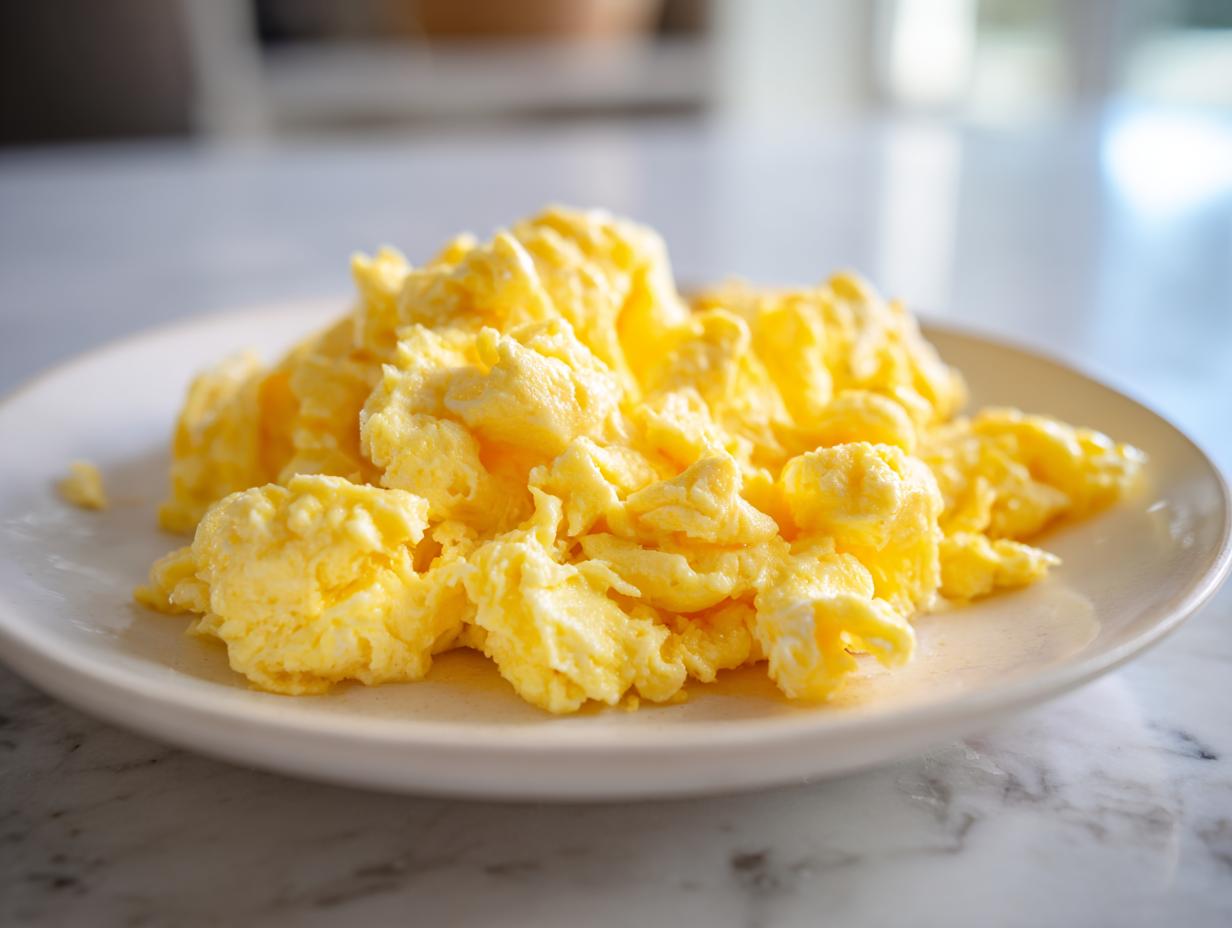
You know, sometimes the simplest things are the absolute best, right? Like a perfectly fluffy, slightly creamy plate of scrambled eggs. I swear, learning to make these the « right » way was a total game-changer for me. It happened one frantic Saturday morning when I was juggling about a million things and just needed breakfast, fast. These basic eggs, done just so, turned out SO good, and I realized that having a foolproof method for them is a total kitchen superpower. It makes me feel like I’ve got breakfast totally covered, no matter what.
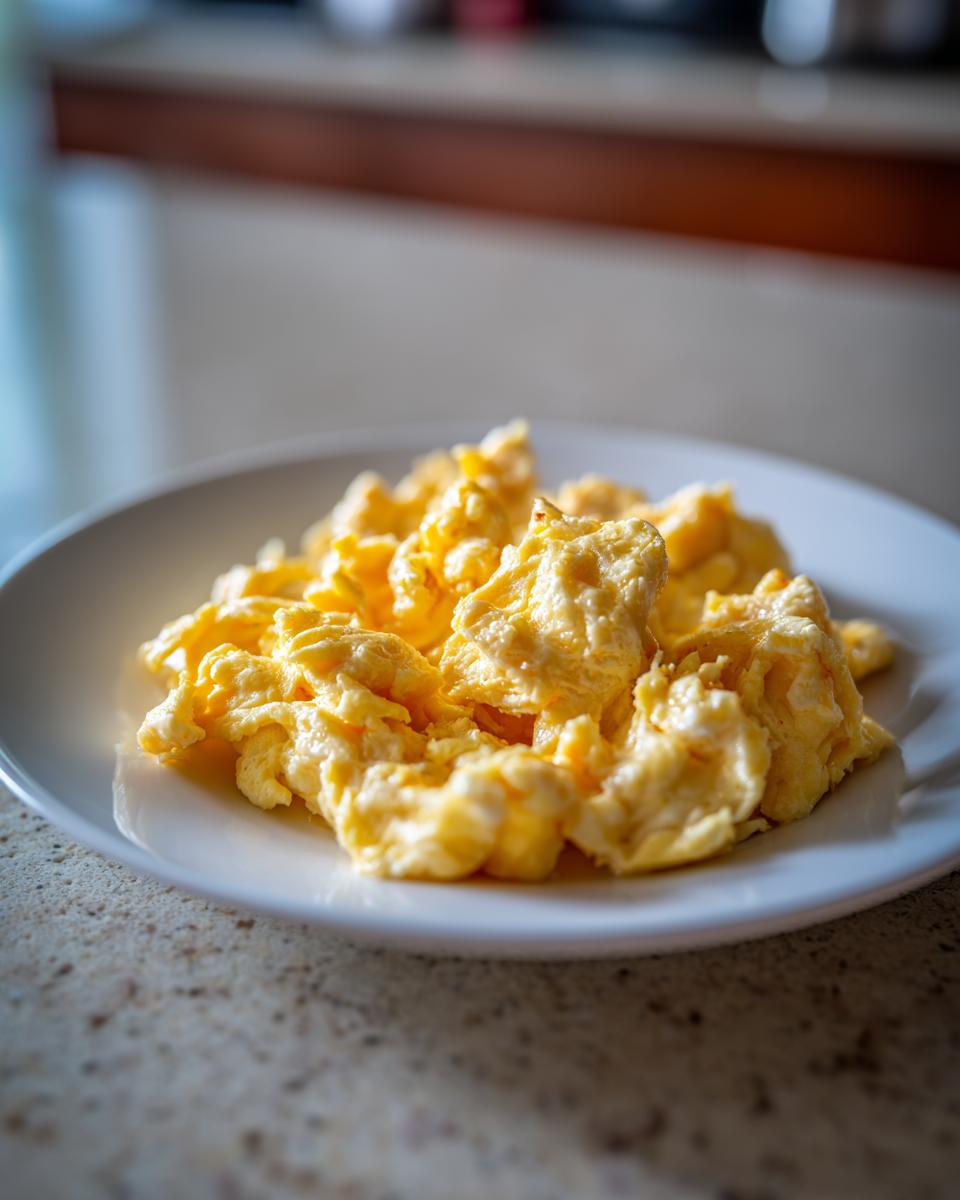
Why You’ll Love These Simple Scrambled Eggs
Seriously, these eggs are a weeknight dinner lifesaver and a weekend brunch dream. Why do I love them so much? Well, they’re:
- Lightning Fast: We’re talking 7 minutes, tops! Perfect for when you’re rushing but still want something good.
- Foolproof Easy: No stress, no complicated steps. You’ll feel like a breakfast pro in no time.
- Delightfully Creamy: The texture is just spot-on – fluffy and a little bit dreamy.
- So Adaptable: These are your secret weapon for adding anything you fancy, seriously!
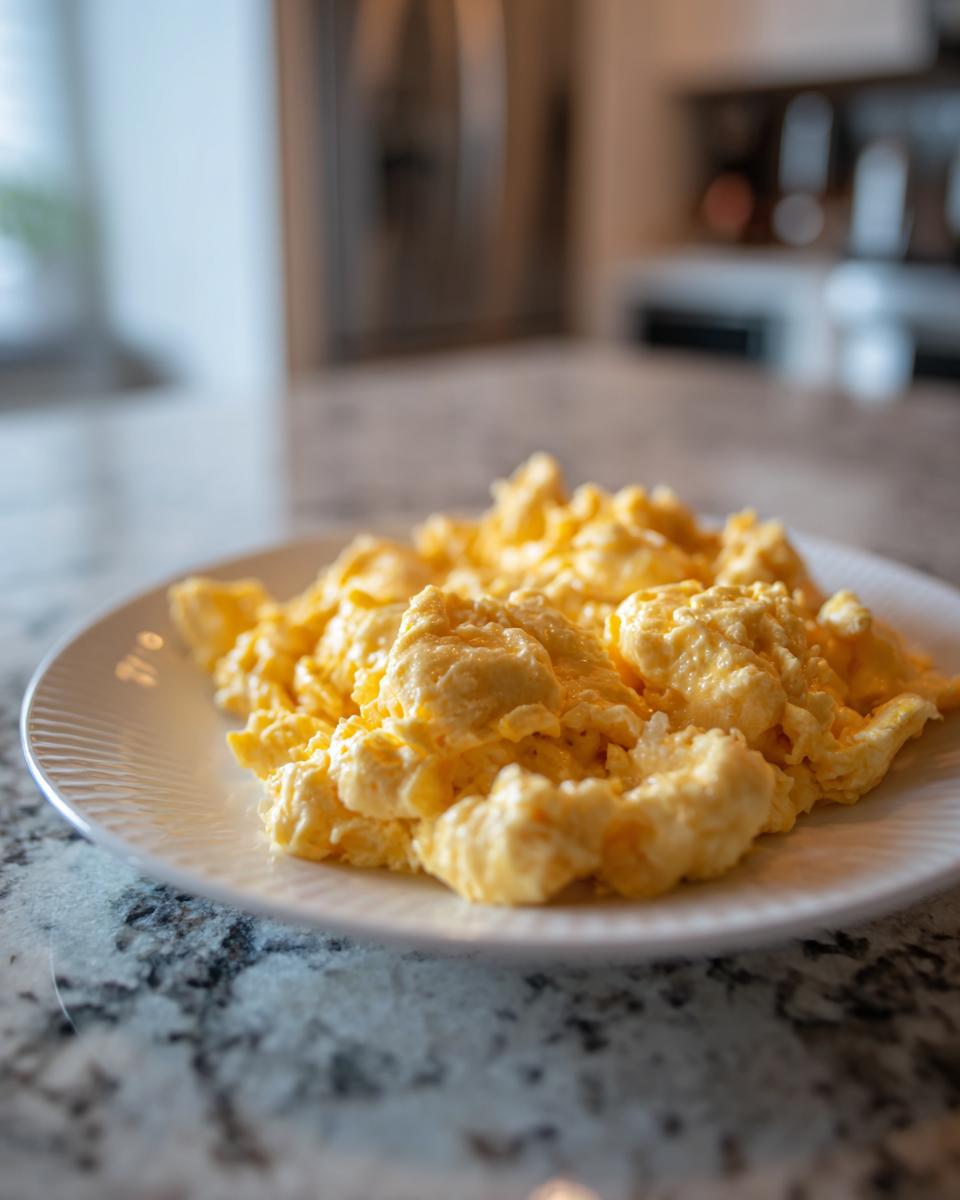
Perfectly Simple Scrambled Eggs Ingredients
Okay, so here’s what you’ll need to whip up these dreamy scrambled eggs. It’s honestly just a few everyday things you probably already have!
- 4 large eggs: The star of the show, of course! Make sure they’re good quality eggs; it really does make a difference.
- 2 tablespoons milk: This is our little secret for extra creaminess. Whole milk is great, but any kind works!
- 1 tablespoon butter: For getting that perfect golden sizzle in the pan. Use unsalted if you can, so you can control the saltiness yourself.
- Salt, to taste: Just a pinch to bring out all those lovely flavors.
- Black pepper, to taste: A touch of fresh cracked pepper really wakes everything up.
That’s seriously it! See? So simple you almost don’t need a recipe.
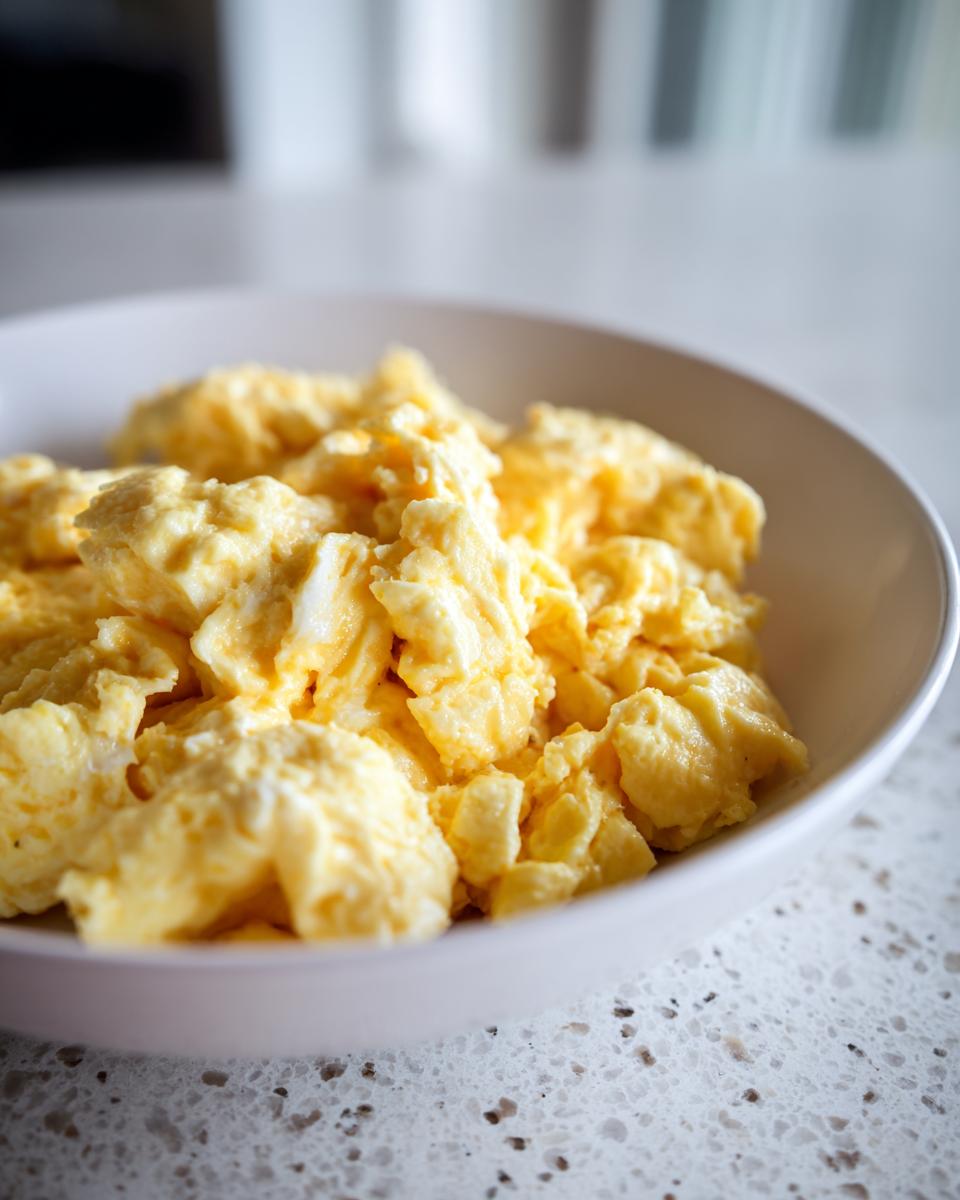
Essential Equipment for Making Scrambled Eggs
To get those perfect fluffy scrambled eggs, you don’t need a whole arsenal, just a few key players. First up, grab a whisk; it’s your best friend for getting a super smooth egg mixture. Then, you’ll definitely want a good non-stick skillet. Trust me, this makes all the difference, so the eggs don’t stick and you don’t end up scrubbing forever! And finally, a trusty spatula, preferably one that’s good for scraping up all those lovely bits from the bottom. That’s honestly all you need!
How to Make Simple Scrambled Eggs: Step-by-Step
Alright, let’s get down to business! Making these amazing scrambled eggs is actually super straightforward. Just follow these steps, and you’ll have a perfect breakfast in no time. It’s all about a little bit of science and a whole lot of love for good food!
Preparing the Egg Mixture
First things first, grab your bowl! Crack those four beautiful eggs right into it. Then, add your milk, a little bit of salt, and a dash of pepper. Now, get your whisk ready and just go to town! You want to whisk everything together until it’s all one lovely, uniform yellow color. It should look smooth, not stringy at all. This step is key for those super fluffy eggs!
Cooking the Scrambled Eggs
Okay, onto the stove! Pop your non-stick skillet onto the stove and set the heat to medium. You don’t want it too high, or the eggs will cook too fast and get rubbery. Let that tablespoon of butter melt all over the pan. Once it’s bubbly and looks nice and golden, go ahead and pour in your perfectly whisked egg mixture. Now, here’s the magic: as the edges of the eggs start to set, gently use your spatula to push them towards the center of the pan. Tilt the pan a little so the uncooked liquid egg flows to the edges, letting it cook too. Keep doing this gentle push and fold motion. It sounds fancy, but it’s really just about moving the cooked bits and letting the raw egg hit the pan. This technique is what makes these scrambled eggs just heavenly! For more on how to master these moves, check out my guide on cooking techniques for perfect eggs.
Finishing and Serving Your Eggs
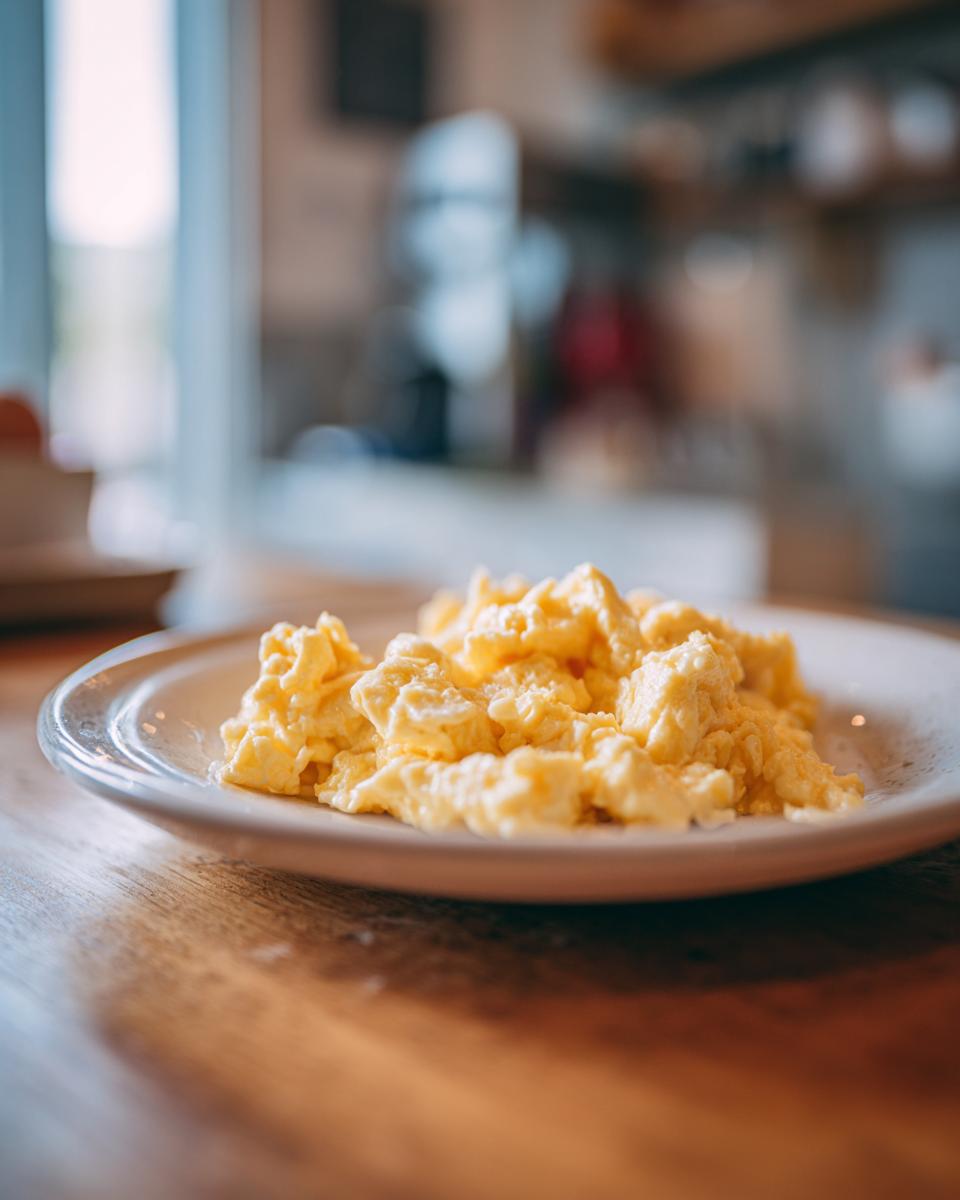
Keep gently cooking and moving those eggs around until they look just right – you know, soft, fluffy, and cooked through but still a little bit moist. You don’t want them looking dry and crumbly! As soon as they’re at that perfect stage, slide them right out of the skillet onto your plates. They’re best served fresh and hot, so dig in right away!
Tips for the Best Scrambled Eggs
Want to take your scrambled eggs from « meh » to « wow »? It’s all in the little details! First off, use the best quality eggs you can find. Seriously, a good egg makes such a difference, not just in flavor but in that lovely golden color. When it comes to heat, keep it medium-low. Patience is key here! If you crank the heat, your eggs cook too fast and can get tough or watery. Nobody wants watery eggs, right? Also, don’t over-whisk! Just enough to combine is perfect. Too much air can actually make them tough.
Variations for Your Scrambled Eggs
Once you’ve mastered the basic scrambled eggs, get ready to have some fun! These eggs are like a blank canvas for flavor. Feeling fancy? Toss in some shredded cheddar cheese in the last minute of cooking and watch it melt into gooey perfection. Love veggies? Sautéed mushrooms, spinach, or diced bell peppers are amazing additions. A sprinkle of fresh chives or parsley at the end adds a pop of color and freshness. Don’t forget spices too – a pinch of paprika or some everything bagel seasoning can totally transform your simple eggs!
Frequently Asked Questions About Scrambled Eggs
Can I make scrambled eggs without milk?
Oh yeah, totally! If you’re out of milk or just prefer not to use it, you can skip it. They might be just a *tiny* bit less creamy, but they’ll still be delicious. Water works in a pinch too!
What is the best heat setting for scrambled eggs?
Medium-low heat is your best friend here. It helps the eggs cook gently and evenly, giving you that lovely soft texture. Too high, and they just get tough and rubbery, ugh!
How do I prevent my scrambled eggs from becoming watery?
The trick is to not overcook them and to use medium-low heat. Keep gently stirring, and pull them off the heat when they’re still a little bit moist. They’ll continue to cook a bit from the residual heat in the pan, so you avoid that watery mess. That careful pushing and folding really helps too!
Nutritional Information Disclaimer for Eggs
Just a little heads-up! Any nutritional info you see for these simple scrambled eggs is just an estimate, okay? It can totally change depending on the exact brands you use, the type of milk, or even how much butter you swirl around. It’s important to remember that cooking is all about personal touches!
Share Your Scrambled Eggs Creations
So, how did your scrambled eggs turn out? I’d absolutely LOVE to hear about it! Did you try adding anything extra? Did they come out super fluffy? Pop down in the comments and share your experience, or give this recipe a star rating over on my recipe rating page. It really helps other folks know what’s cooking!
Ingrédients
Equipment
Method
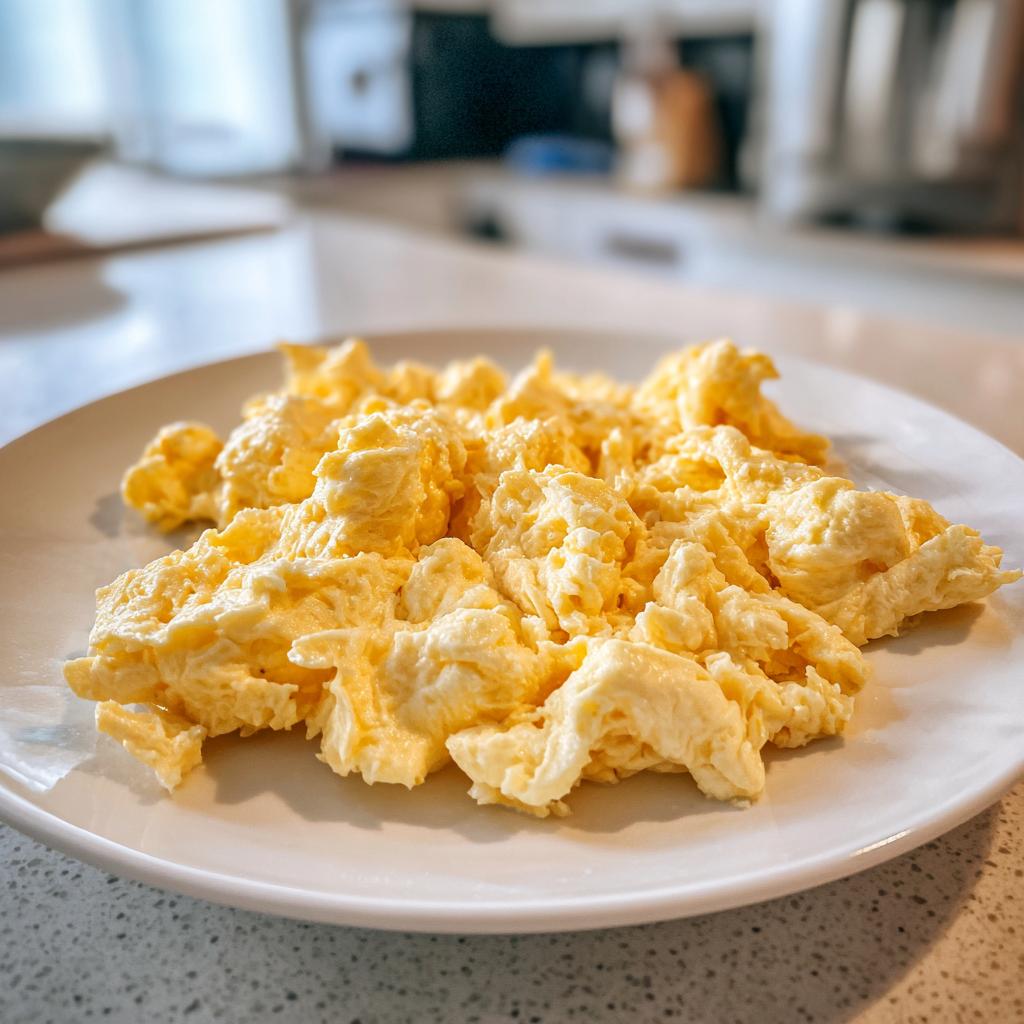
- Crack the eggs into a bowl. Add milk, salt, and pepper.
- Whisk the ingredients together until well combined.
- Melt the butter in a non-stick skillet over medium heat.
- Pour the egg mixture into the skillet.
- As the eggs begin to set, gently push them towards the center with a spatula, allowing uncooked egg to flow to the edges.
- Continue cooking and stirring until the eggs are cooked to your desired consistency.
- Remove from heat and serve immediately.